
 Aluminium Plank Furniture
 Architectural Bollards
 Benches
 Bike Parking
 Bin Enclosures
 Café / Dining
 Cigarette Bins
 Commercial Picnic Tables
 Concrete Plinth Mount Seating
 Curved Benches
 Drinking Fountains
 Grandstands
 Litter Bins
 Outdoor Classrooms
 Planter Boxes
 Seating
 Shelters
 Skate Deterrents
 Tree Protection
 Wayfinding Signage
 Amsterdam Suite
 AS Urban Suite
 Athens Suite
 Barcelona Suite
 Berlin Suite
 Capri Suite
 Copenhagen Suite
 Dublin Suite
 Florence Suite
 Glasgow Suite
 Liverpool Suite
 London Suite
 Madrid Suite
 Manchester Suite
 Milan Suite
 Orbit Suite
 Oslo Suite
 Outwood Suite
 Paris Suite
 Prague Suite
 Portsmouth Suite
 Rome Suite
 Spencer Suite
 Stirling Suite
 Venice Suite
 Vienna Suite
 Woodville Suite
 Zurich Suite
 School Furniture
 Healthcare Furniture
 Local Government Furniture
 Park & Street Furniture
 Shopping Centre Furniture
 Aged Care Furniture
 1300 509 589
Shade Structures: Which One Suits My Project?
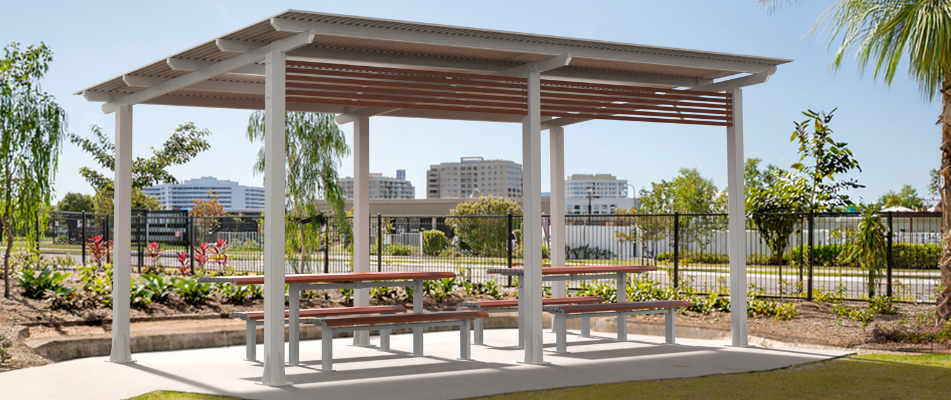
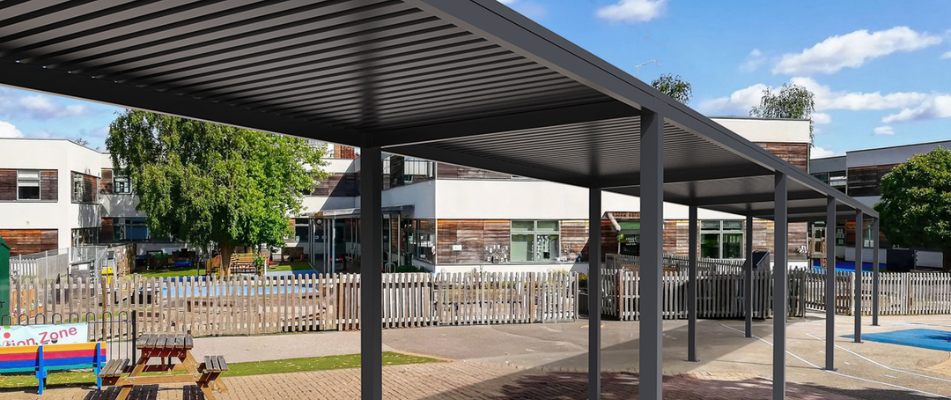
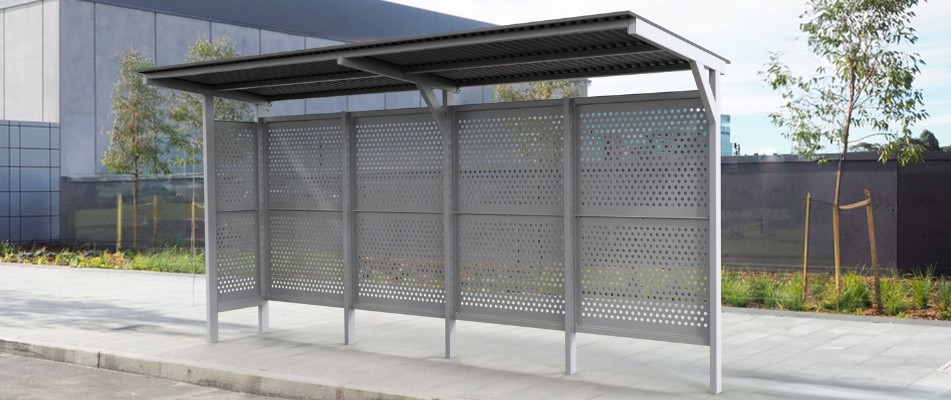
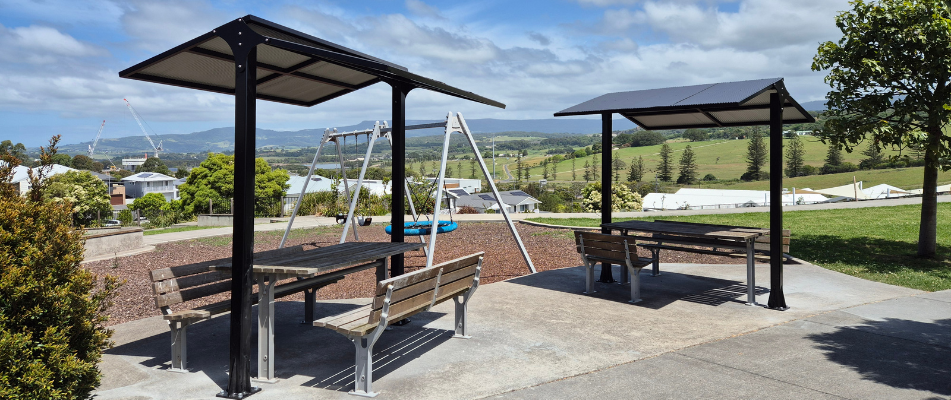
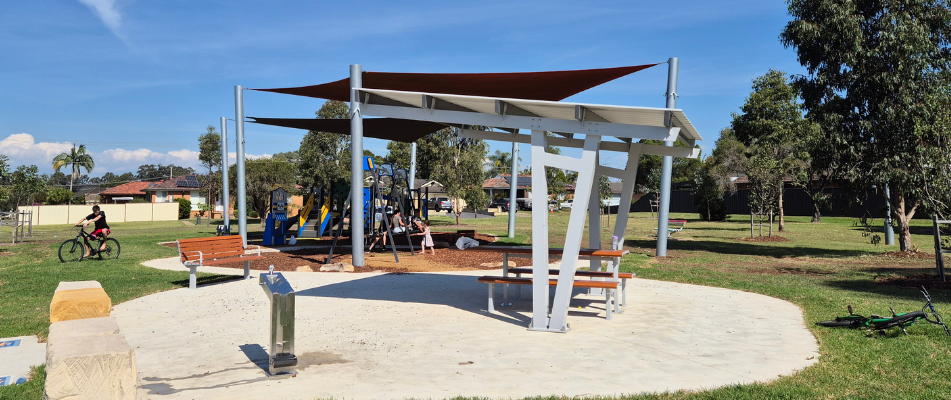
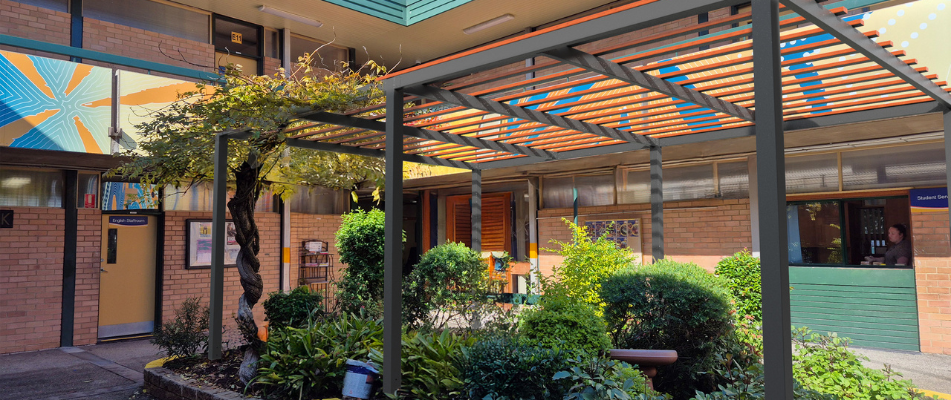
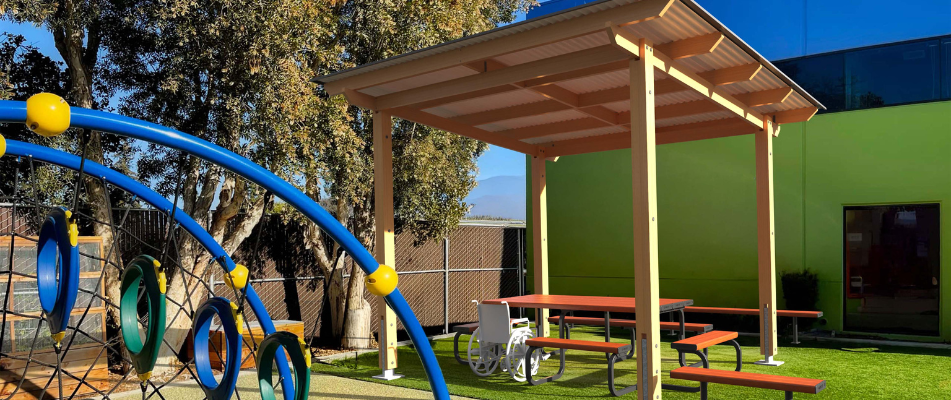
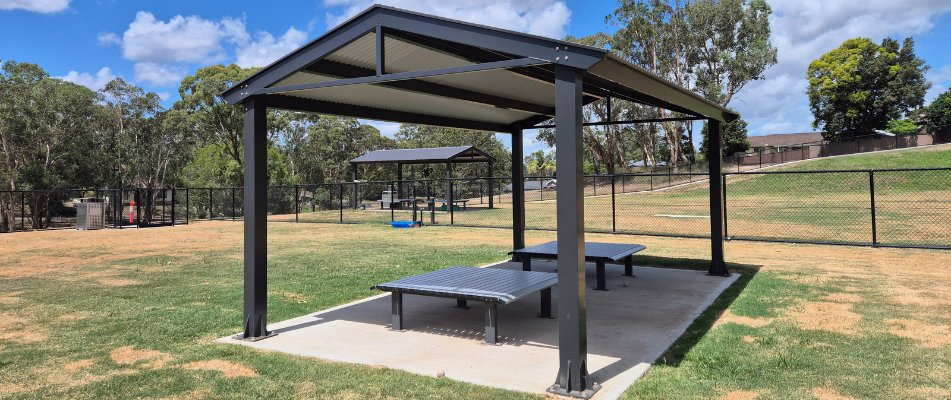
When specifying a shade structure for a public space, it is easy to start with style.
Skillion or pitched. Cantilever or pergola. Aluminium or galvanised.
But the better place to start is not the structure itself. It is the space.
A shade structure should respond to how people use an area. It should support movement, gathering, supervision, accessibility and long term maintenance. When chosen well, it becomes part of the way the space functions, not just something placed on top of it.
Below are the key considerations we walk through with clients when selecting from the Astra Shelter Collection Catalogue.
1. Are You Covering a Destination or a Thoroughfare?
The first question is simple. Are people stopping here, or passing through?
If the goal is to protect a picnic setting, outdoor classroom or seating area, you are covering a destination. In these cases, a structure like the Manchester Skillion Shelter or Manchester Cantilever Shelter often makes sense. They provide defined overhead protection and create a clear gathering zone.
If instead you are protecting movement between buildings, across a car park or along a frontage, a Manchester Walkway Shelter is usually more appropriate. Walkways are modular and designed to extend, which makes them practical for schools, hospitals and transport precincts.
Understanding how people move through the space will narrow your options quickly.
2. Do You Need Full Weather Protection or Filtered Shade?
Not all shade structures provide the same level of coverage.
A Manchester Pergola, for example, offers filtered shade. It reduces direct sun but does not fully block rain. This can be ideal in landscaped environments where the goal is to create architectural rhythm and light play rather than full enclosure.
On the other hand, structures with Colorbond roofing such as the Manchester Skillion Shelter, Cantilever or Pitched Roof Shelters are designed for full overhead protection. These are better suited to outdoor learning areas, picnic settings and community spaces where usability in all weather matters.
The question becomes practical. Will people still use this space during light rain? If yes, full roofing is likely required.
3. How Important Is Visual Presence?
Some projects require the shelter to quietly blend into the background. Others use it as a visual anchor.
Traditional forms like the Manchester Skillion Shelter feel familiar and adaptable. They work comfortably in parks, schools and community reserves.
Cantilever shelters, by contrast, create a stronger architectural statement. With fewer front posts and a more contemporary profile, they often suit modern school upgrades, civic precincts and commercial developments
Pitched roof shelters sit somewhere in between, offering a classic symmetrical silhouette that works well in established town centres or regional settings.
The structure should complement the surrounding built environment, not compete with it.
4. Are Accessibility and Compliance Factors?
In transport environments, compliance becomes central.
The Manchester Bus Shelter range includes DDA compliant options designed to accommodate wheelchair users comfortably. These models consider seating layout, circulation space and side panel configurations.
When shelters are installed over picnic settings, table suites or outdoor learning areas, the layout must allow clear wheelchair circulation and compliant seating access. This includes ensuring sufficient clearance around table ends and avoiding obstructions within the circulation zone.
Cantilever shelters are often a strong solution in these cases. With fewer front posts, they create a more open footprint beneath the structure, making it easier to position DDA compliant wheelchair accessible settings without posts interfering with access paths. Shade structures are substantial physical elements. Their post placement, footprint and relationship to furniture directly influence how inclusive a space feels and functions.
5. What Is the Scale of the Space?
Scale is often underestimated during specification.
A small park rest point may only require a compact Liverpool Shelter covering a single bench. Installing an oversized structure in that context can feel disproportionate. Conversely, large civic lawns or school eating areas may benefit from extended cantilever or double cantilever structures that cover multiple settings in one unified footprint. Think about proportion. The shelter should feel intentional within the landscape.
6. Do You Need Flexibility?
Not every project calls for a permanent fixed structure.
In hospitality settings, courtyards or seasonal activation zones, umbrellas can provide adaptable shade. They offer flexibility in placement and can be repositioned or replaced more easily than structural shelters.
The decision often comes down to longevity and budget. Permanent structures suit long term public infrastructure. Umbrellas suit adaptable or evolving spaces.
7. Consider the Details That Improve Usability
Once the structure type is chosen, smaller details can significantly improve performance.
For example:
- Solar lighting packs can extend usability into the evening
- Gutter and downpipe kits help manage water runoff
- Decorative panels can provide additional shelter from wind
- Slat screening can soften visual impact
These elements often make the difference between a shelter that simply covers a space and one that genuinely enhances it.
Bringing It All Together
Selecting a shade structure is less about choosing a product and more about responding to a space.
Ask:
- How will people use this area daily?
- How exposed is the site?
- Does the structure need to make a statement or sit quietly?
- What level of protection is realistically required?
The Astra Street Furniture Shelter Collection has been developed to suit a wide range of Australian public environments. The key is aligning the structure with how the space functions. If you are unsure, start with the use case. The right structure usually follows.

