 1300 509 589
The Role of Drinking Fountains in Promoting a Healthy Community
The Role of Drinking Fountains in Promoting a Healthy Community
Just imagine stumbling upon a drinking fountain on a scorching summer day and savouring a cool, refreshing sip of water. It’s a simple pleasure, but it highlights something much more important.
Drinking fountains are more than just convenient spots to quench your thirst—they are vital to public spaces, offering accessible, clean water that fosters healthier lifestyles.
Join us as we explore how these everyday fixtures do far more than just provide a drink—they help build a healthier, more connected world.
Why Your Community Needs Drinking Water Fountains: 3 Major Benefits
1. Encouraging Healthier Habits
One of the major drinking water fountains benefits is that they help promote healthier lifestyle choices.
Instead of reaching for sugary soft drinks or energy drinks, people can easily access fresh, clean water for free. This encourages a shift toward healthier beverage options, reducing the intake of excess sugars and calories.
For communities battling high rates of obesity, diabetes, and other lifestyle-related illnesses, something as simple as a drinking fountain can play a big role in supporting positive change.
2. Supporting Active Lifestyles
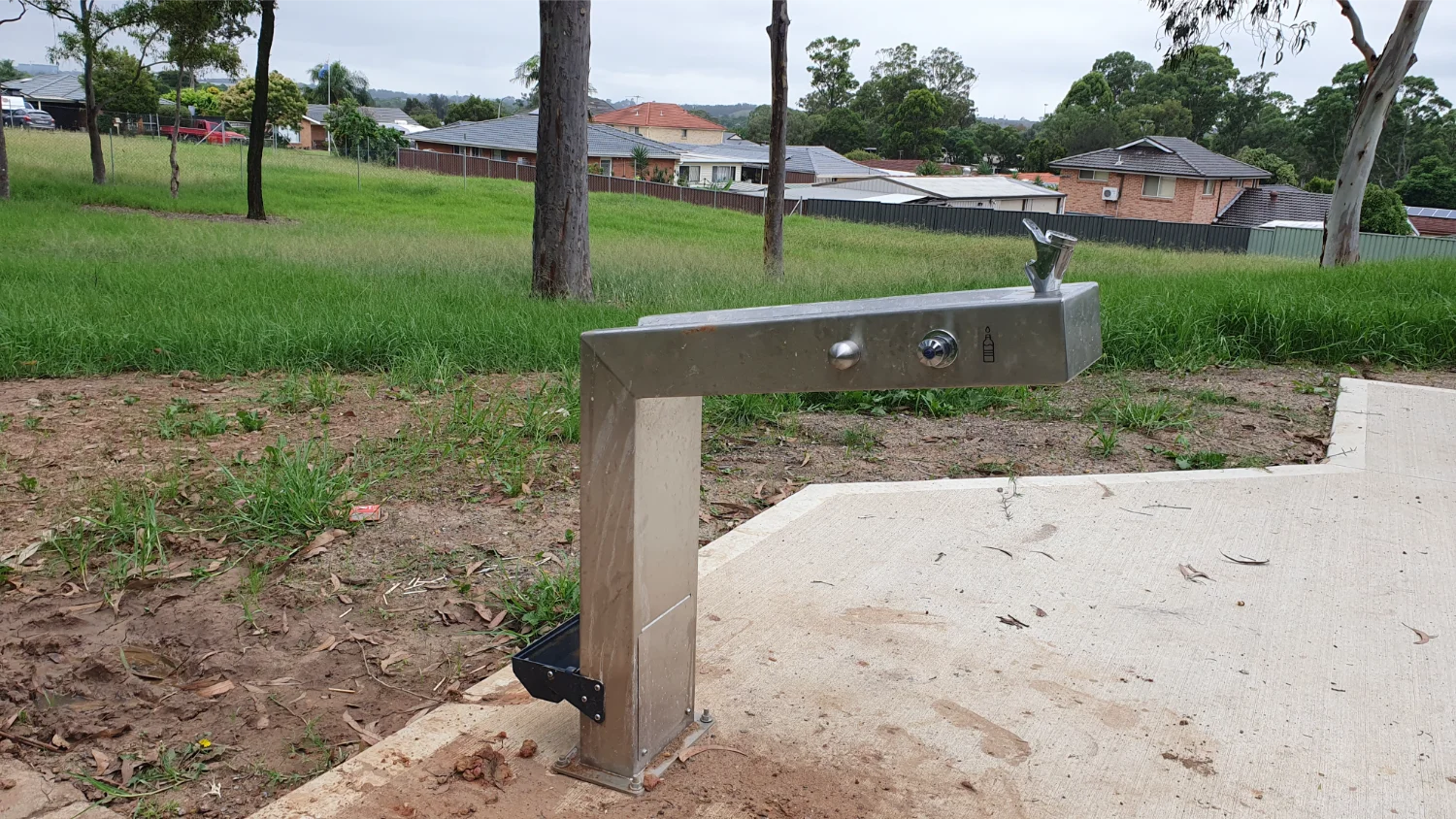
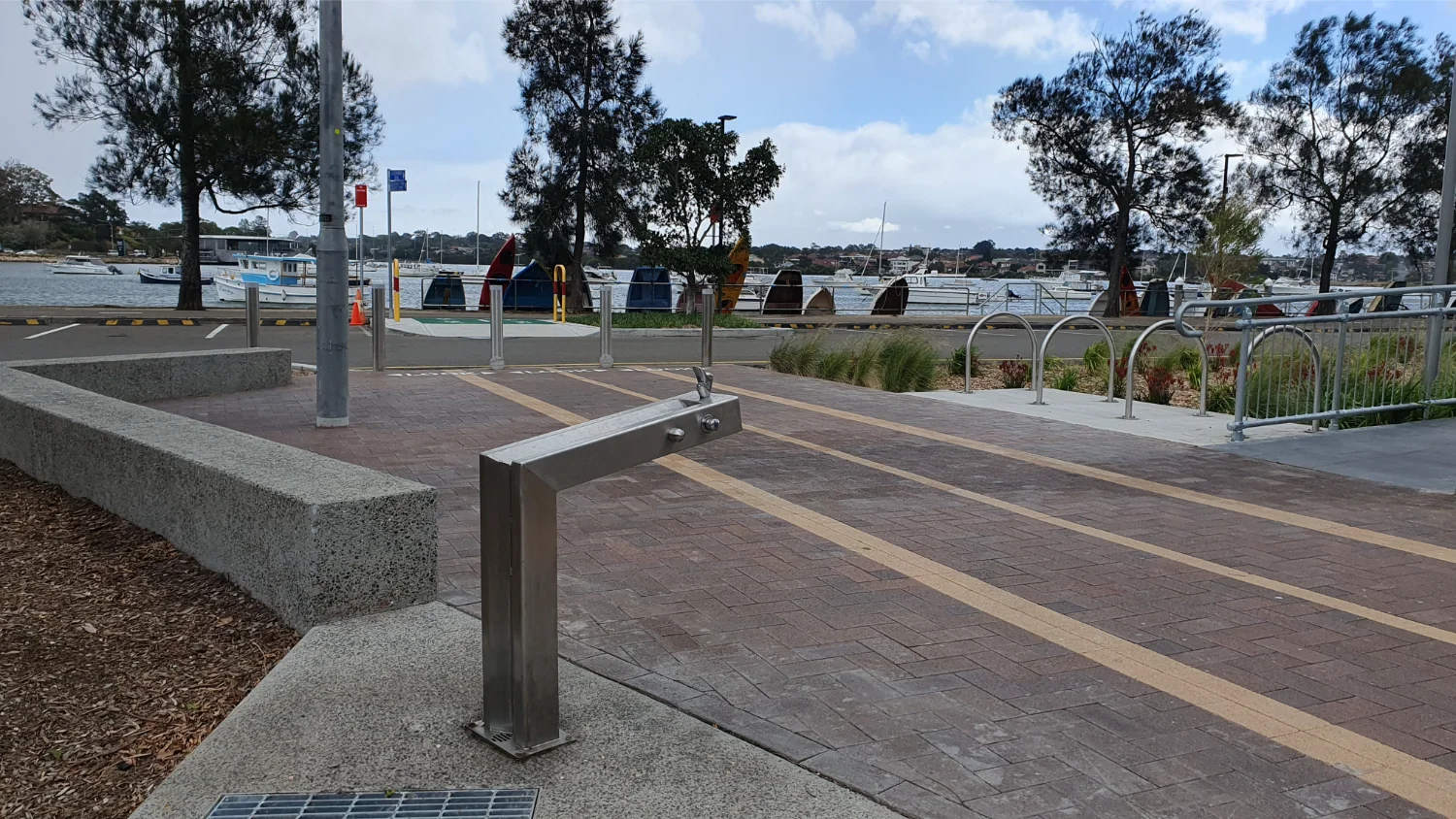
Public drinking fountains are often found in parks, recreation centres, and sports fields, encouraging outdoor activity. For joggers, cyclists, and other fitness enthusiasts, these fountains provide an essential resource to stay hydrated during exercise.
Not only does this contribute to better performance, but it also prevents heat-related illnesses and dehydration, which can have severe consequences for those engaging in physical activities.
3. Accessible Hydration for All
Drinking fountains make clean water accessible to everyone, regardless of socio-economic background. While bottled water might be an option for some, others may not have the same level of access.
With public drinkable water fountains, everyone in the community, including children, the elderly, and homeless populations, can enjoy the benefits of fresh water without having to worry about affordability.
Environmental Impact of Drinking Fountains
● In today’s world, plastic pollution is one of the most pressing environmental issues. Overusing disposable plastic bottles contributes to enormous amounts of waste in landfills and oceans, harming wildlife and ecosystems. Drinking fountains can significantly reduce the need for single-use plastic bottles, encouraging people to refill reusable water bottles instead.
● The production and transportation of bottled water have a large carbon footprint due to the energy required for packaging, shipping, and refrigeration. Communities can reduce the demand for bottled water, leading to a reduction in energy consumption and greenhouse gas emissions.
● With climate change being a major concern, every small step toward reducing carbon footprints matters, and drinking fountains offer an effective, low-cost solution.
Uses of Drinkable Water Fountains in Urban Design
A. Promoting Community Wellbeing
Urban planners are increasingly recognising multiple uses of a drinkable water fountain as an integral part of creating healthier, more livable cities. They strategically place drinking fountains in key locations such as parks, playgrounds, transportation hubs, and walking trails to encourage residents to spend more time outdoors, engage in physical activity, and stay hydrated.
For instance, children playing in the park can run to a nearby fountain for a quick drink to stay hydrated while having fun.
Similarly, tourists exploring the city can stay refreshed without needing to stop and purchase bottled water. This creates a welcoming environment that values public health and fosters social interaction, contributing to the overall well-being of the community.
B. Reducing Health Disparities
In lower-income areas where access to clean, affordable drinking water may be limited, the installation of drinking fountains can be a game-changer. Public drinking fountains provide a free, reliable source of hydration, helping to bridge the gap between different socio-economic groups and reducing health disparities.
Communities with better access to safe drinking water tend to have lower rates of dehydration-related illnesses and better overall public health outcomes.
Summing It Up
Drinkable water fountains are much more than just a place to quench your thirst. Their benefits extend far beyond hydration, playing a key role in promoting healthier lifestyles, reducing plastic waste, lowering carbon footprints, and improving overall public health. Astra Street Furniture offers efficient and aesthetically pleasing drinking water fountains and other street furniture in Australia. Our collection is sure to amaze you.