
 Aluminium Plank Furniture
 Architectural Bollards
 Benches
  Bike Parking
 Bin Enclosures
  Café / Dining
 Cigarette Bins
  Commercial Picnic Tables
 Concrete Plinth Mount Seating
 Curved Benches
 Drinking Fountains
 Grandstands
 Litter Bins
 Outdoor Classrooms
 Planter Boxes
 Seating
 Shelters
 Skate Deterrents
  Tree Protection
 Wayfinding Signage
 Amsterdam Suite
 AS Urban Suite
 Athens Suite
 Barcelona Suite
 Berlin Suite
 Capri Suite
 Copenhagen Suite
 Dublin Suite
 Florence Suite
 Glasgow Suite
 Liverpool Suite
 London Suite
 Madrid Suite
 Manchester Suite
  Milan Suite
 Orbit Suite
 Oslo Suite
 Outwood Suite
 Paris Suite
 Prague Suite
  Portsmouth Suite
 Rome Suite
 Spencer Suite
 Stirling Suite
 Venice Suite
  Vienna Suite
 Woodville Suite
 Zurich Suite
 School Furniture
 Healthcare Furniture
 Local Government Furniture
 Park & Street Furniture
 Shopping Centre Furniture
 Aged Care Furniture
 1300 509 589
5 Mistakes to Avoid When Specifying Public Shelters
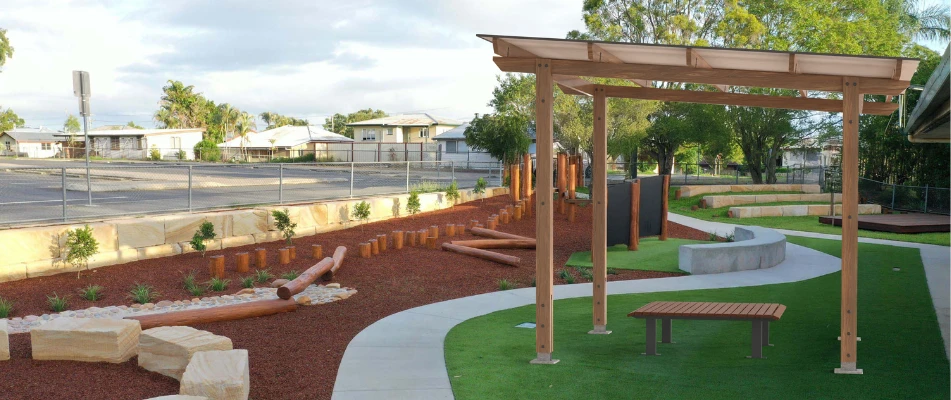
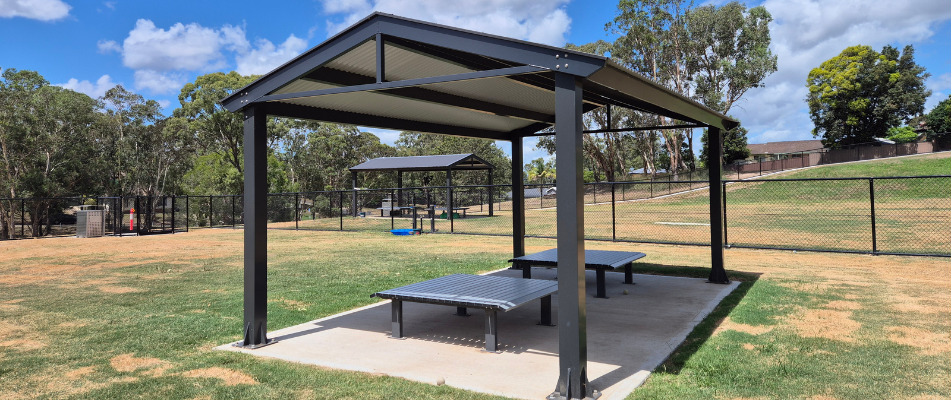
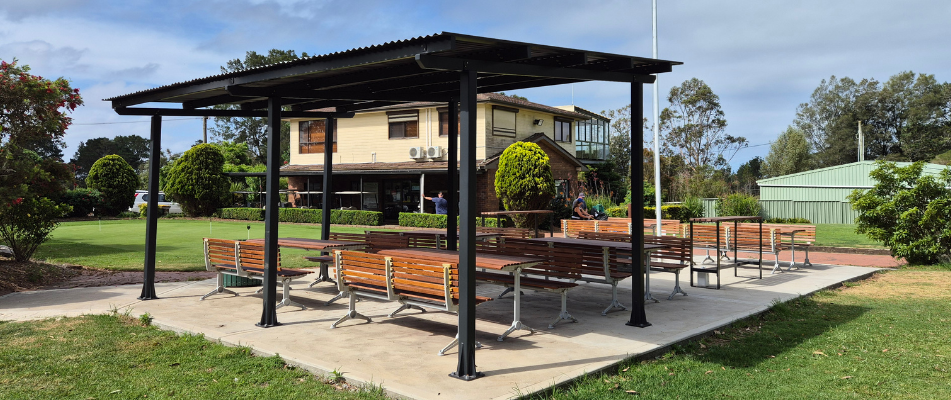
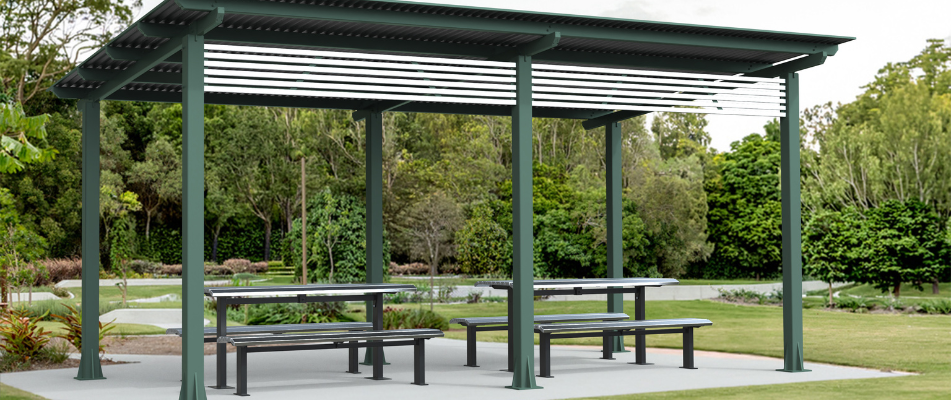
Shelters are more than structures overhead. They shape how a space feels, functions and protects people in public environments. Done well, they create comfortable outdoor areas that invite gathering and play. Done poorly, they sit out of place, underperform or fail to deliver comfort and usability.
To help you get it right, here are five common mistakes to avoid when specifying public shelter, and how to think about them in your next project.
1. Ignoring Local Climate and Sun Exposure
A successful shelter does more than look good — it responds to the environment it sits in.
Shade planning research underscores the importance of well-designed and positioned shade in public spaces to protect users from UV radiation and ensure comfort throughout the day and year.
Mistake: Choosing a shelter without considering sun movement, orientation or local weather conditions such as wind direction, rainfall intensity or snow loads.
Tip: Analyse how the sun travels across your site at different times of day and throughout the year. Position shelters so they provide effective shade where people will actually sit and move.
Shelters like the Manchester Skillion Shelter or Walkway Shelter can be aligned to provide broad sun protection in open areas, while Cantilever Shelters offer deep shade with fewer visual obstructions.
Confirm the shelter is appropriately engineered for your site conditions. Our shelters are rated to Wind Region C, terrain category 3, importance level 2 in accordance with AS1170, and include generic wind-rated certificates, assembly guides and slab details. Site-specific wind and building certificates can also be supplied where required.
2. Overlooking Functional Use and Traffic Flow
Shelters should be placed and sized based on how people will use and circulate through the space.
Mistake: Installing a shelter without thinking about pedestrian flow, gathering points or adjacency to other landscape elements.
Tip: Observe natural desire lines and congregation areas. Will people be stopping for a picnic, waiting for transport, moving between buildings? The shelter footprint should reinforce these patterns.
For longer routes or connections between places, modular options like the Manchester Walkway Shelter respond well to heavy movement zones, while standalone units like the Liverpool Shelter suit small rest points.
3. Specifying Size Without Considering Use
Choosing the wrong size or configuration is one of the most common pitfalls in shade design.
Mistake: Selecting a shelter that is too small for its intended use or doesn’t interact well with adjacent features.
Tip: Match the shelter scale to how many people it needs to protect and what it’s protecting them from. For a park picnic setting, an undersized shelter can leave users exposed to midday sun or rain. For university campuses, larger cantilever forms can cover multiple benches or learning clusters without feeling cramped.
Consult the Shelter Collection catalogue to compare roof spans and modular configurations so the structure fits both functional use and head clearance requirements.
4. Treating Aesthetics as Secondary
Shelter specification isn’t just technical — it’s visual. The right form can elevate a space and make it feel intentional.
Mistake: Choosing a shelter purely on price or colour without thinking about architectural language, surrounding landscape or how the structure will be perceived.
Tip: Consider the overall design language of the precinct. A contemporary urban plaza may benefit from the clean lines of a Cantilever Shelter, while a local park might feel more cohesive with a pitched roof form that echoes traditional shelters. Materials and finishes — including powder coated aluminium in custom colours — also influence how well a shelter sits within its environment.
5. Neglecting Long-Term Durability and Maintenance
A shelter’s performance over time is just as important as its initial appearance.
Mistake: Assuming that all shelters will perform equally well with age and weather exposure.
Tip: Choose products designed for Australian conditions and low maintenance. Look for robust roofing materials, corrosion-resistant frames, and finishes that hold up under sunlight and rain.
The Manchester Shelter range is engineered for durability in public environments, with many models featuring fully aluminium structures for long term performance and low maintenance. Options such as wood grain aluminium slats provide a refined aesthetic without compromising longevity, while regular maintenance — including checking fixings and roof integrity — helps keep spaces safe and inviting for years.
Final Thoughts
Shelters are more than shade — they are places people inhabit, engage and enjoy. Avoiding these five specification mistakes will help you deliver shelters that are functional, durable, visually cohesive and genuinely supportive of the way people use outdoor spaces.
For detailed technical information, spans, sizes and installation options, refer to the Astra Shelter Collection catalogue — it’s a practical tool for aligning design intent with product performance.

